Stanford Health Care Innovation Project (SHIP): Building the Next Generation of Healthcare Innovators
In the heart of Silicon Valley, where healthcare, engineering, and emerging technology increasingly intersect, a new generation of innovators is already stepping forward.
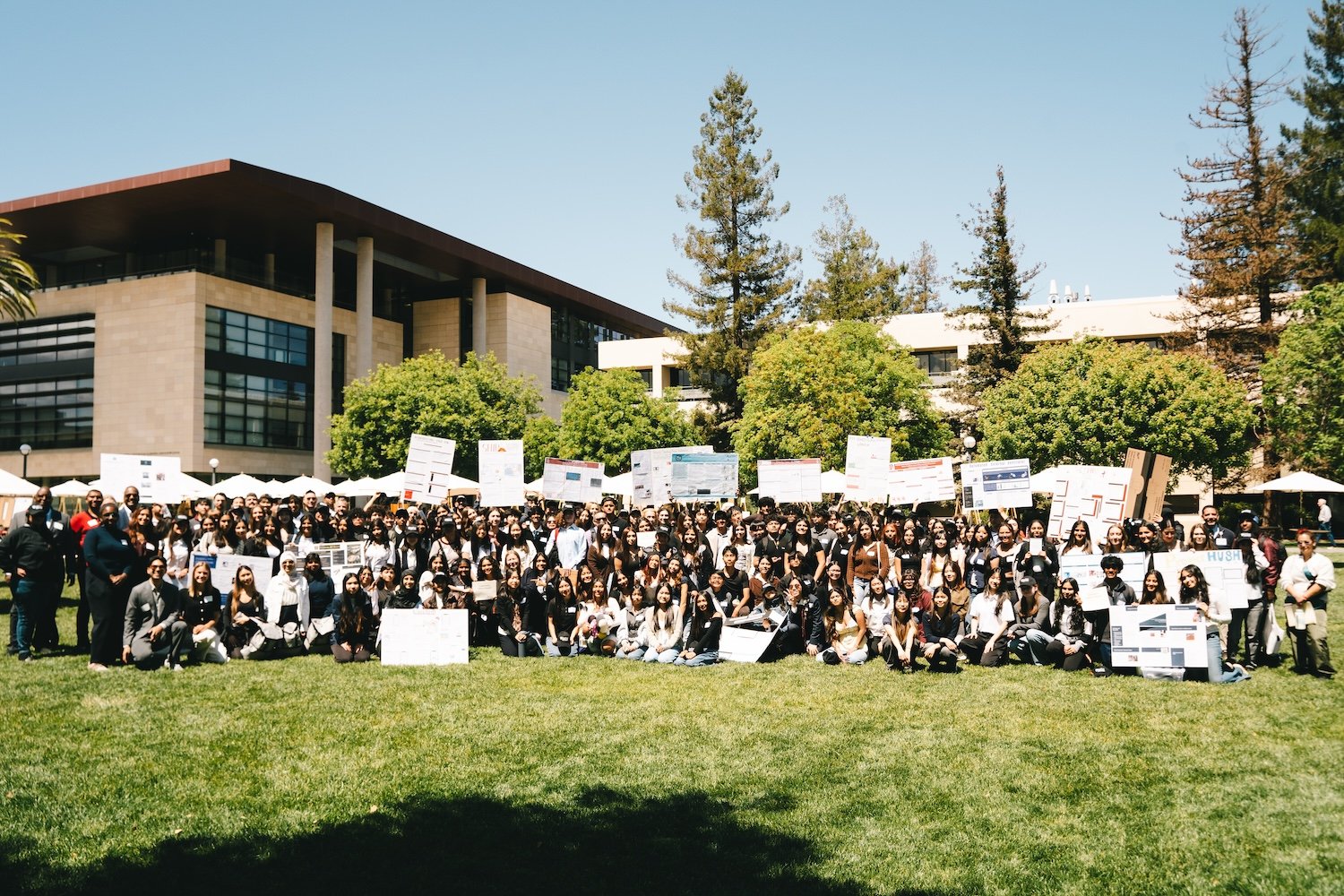
This spring, 200 Bay Area high school students gathered at Stanford Health Care in Palo Alto for the inaugural Stanford Health Care Innovation Project (SHIP) Final Showcase, presenting solutions to real healthcare challenges after five months of intensive collaboration, mentorship, research, and design. What began as an ambitious regional partnership quickly became something much larger: a model for how healthcare institutions, educators, and industry leaders can work together to cultivate a future-ready workforce by expanding access to meaningful STEM learning opportunities.
Led collaboratively by Stanford Health Care (SHC) Biomedical Engineering, the Silicon Valley Leadership Group Foundation (SVLGF), and the Bay Area K-16 Collaborative, SHIP is designed to bridge the gap between classroom learning and real-world healthcare innovation.
A First-of-Its-Kind Regional Collaboration
Over the 2025–26 academic year, SHIP brought together students from seven public Bay Area high schools across multiple districts and pathways. Students formed 43 project teams, each tackling one of ten healthcare and health technology challenges sourced directly from Stanford clinicians and biomedical engineering professionals.
The initiative intentionally focused on problems grounded in operational and clinical realities, from emergency and operating room inefficiencies to patient care, rehabilitation technologies, AI-powered diagnostics, and sustainable medical systems.
The program’s roots lay in a prior Stanford Health Care-led international pilot in which SHC Biomedical Engineering leaders worked with students from Turkey to design solutions to real healthcare technology problems. The success of that pilot, combined with growing industry demand to strengthen biomedical engineering talent pipelines locally, revealed an opportunity to expand the experience for students across the Bay Area.
Designing an Initiative Around Access and Support
One of the defining characteristics of SHIP was the intentional infrastructure built around student and educator success. The Bay Area K-16 Collaborative and SVLGF recognized early that students could only thrive if schools, teachers, and mentors were equally supported. Over the course of the year, the partnership developed a comprehensive implementation structure that balanced flexibility with rigor.
To support schools with vastly different structures and student populations, SHIP offered multiple participation models, including in-class integration, extracurricular clubs, and independent study/capstone approaches.
This flexibility allowed schools to adapt SHIP to their own ecosystems:
Biomedical pathway classes embedded projects directly into coursework.
Clubs and after-school groups leveraged SHIP as an advanced extracurricular challenge.
Dual enrollment programs integrated projects into community-centered and research-based learning.
To ensure students and teachers had a clear roadmap throughout the initiative, the partnership developed month-by-month milestone guides that walked participants through the design process, which detailed key engineering principles, design thinking strategies, research methodologies, communication skills, and prototype development. Monthly educator meetings fostered a collaborative learning community across districts and pathways, helping teachers share best practices and navigate implementation challenges.

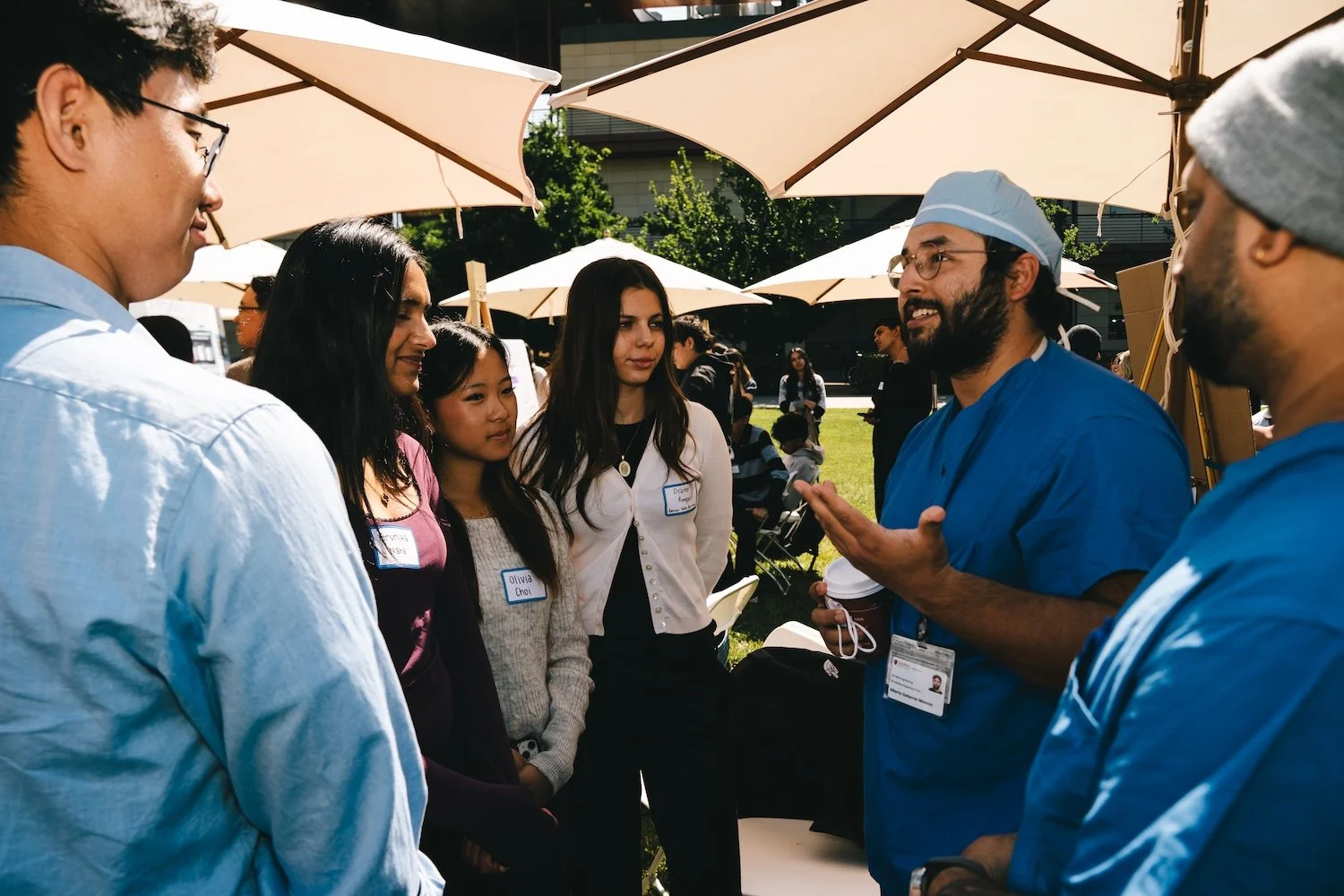
Over the course of the initiative, SVLG and the Bay Area K16 Collaborative coordinated more than 125 hours of mentorship between Stanford Health Care mentors and student teams, creating opportunities for students to receive direct feedback from biomedical engineers, clinicians, technicians, systems engineers, and healthcare innovators. This intentional mentorship structure gave students access not only to technical expertise but also to professional networks and authentic insight into careers at the intersection of healthcare and technology.
From Ideas to Real-World Innovation
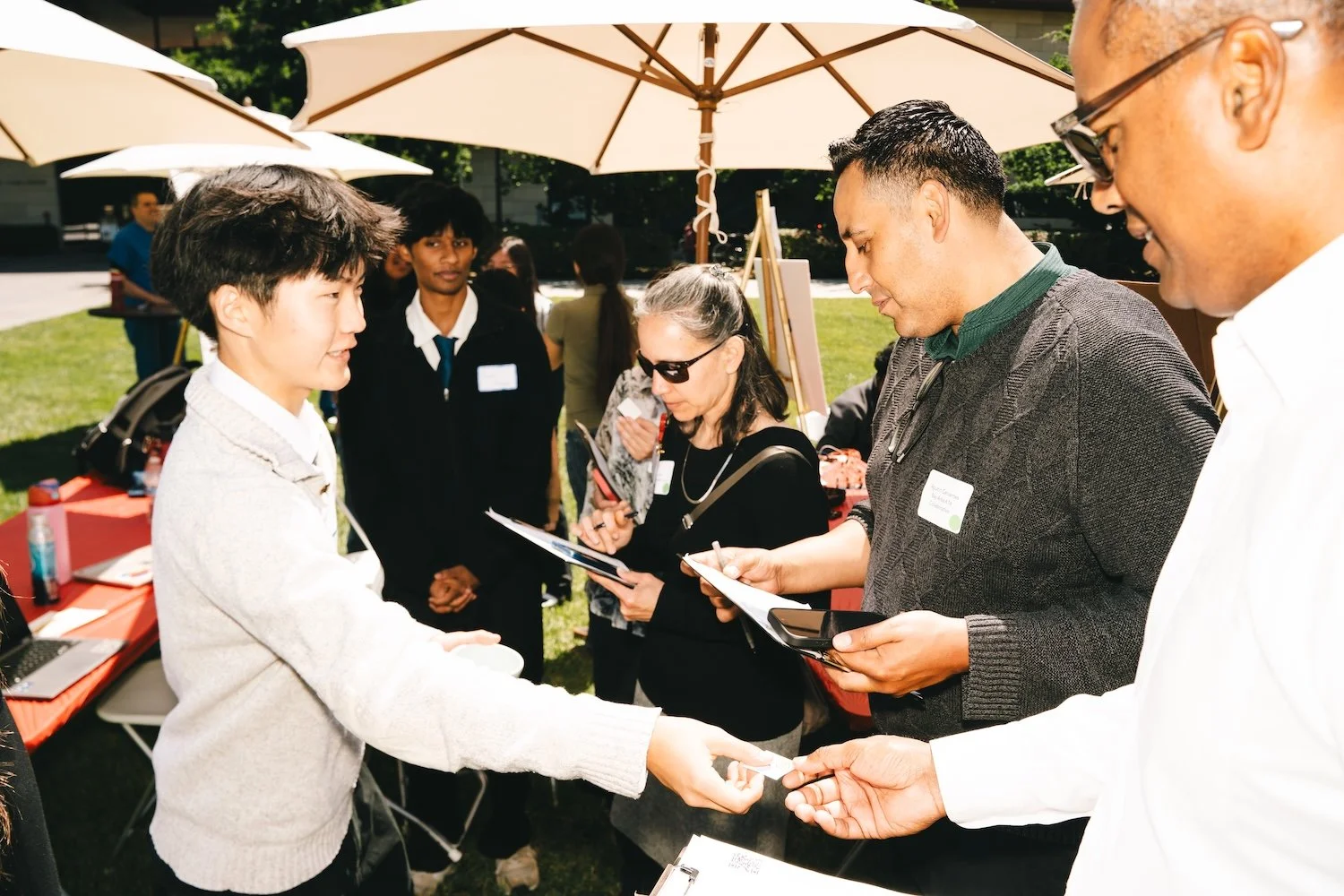
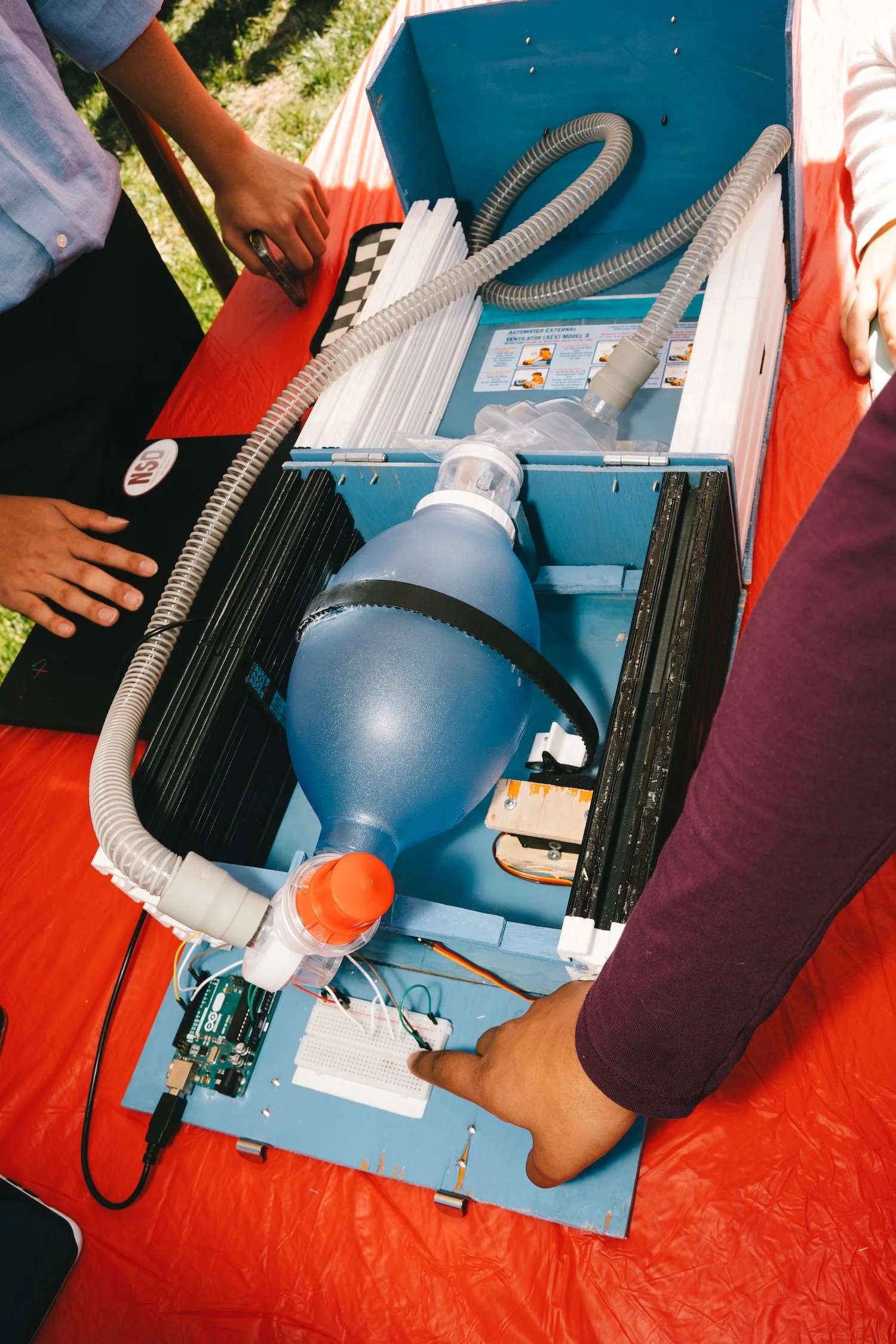
After four months of dedicated project development, the SHIP Final Showcase brought together healthcare executives, clinicians, biomedical engineers, educators, policymakers, and industry professionals to evaluate student presentations and prototypes. All 43 student projects reflected both technical sophistication and deep empathy for patient outcomes.
Among the standout projects:
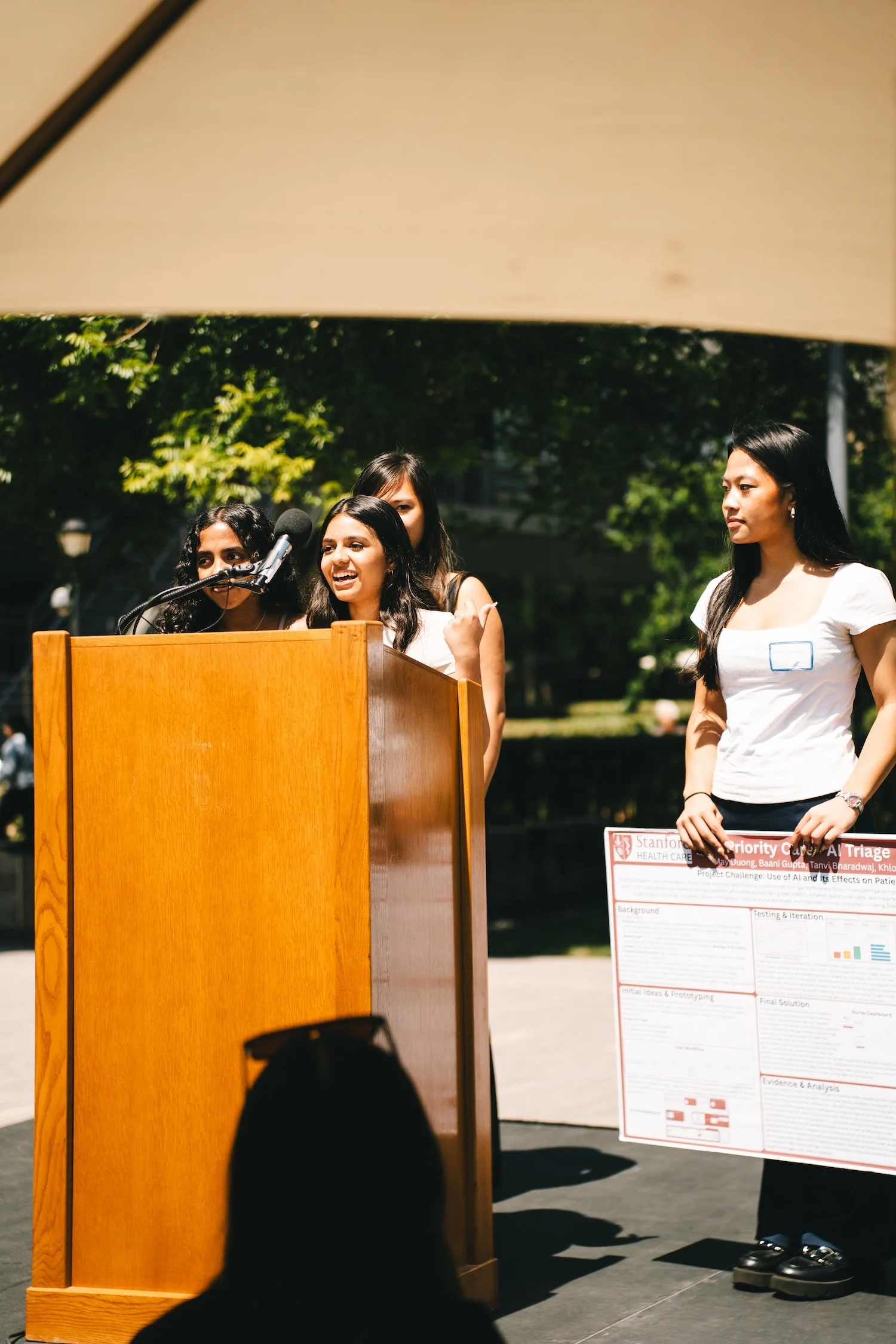
PriorityCare, developed by students from Dublin High School, showcased an AI-powered clinical decision support system aimed at improving emergency room efficiency. The project earned 1st place overall out of the 43 teams.
OR Tracker, created by dual-enrolled students from Milpitas Middle College, resembled a computer vision model designed to analyze operating room inefficiencies and identify sources of delay by integrating with existing hospital camera systems.
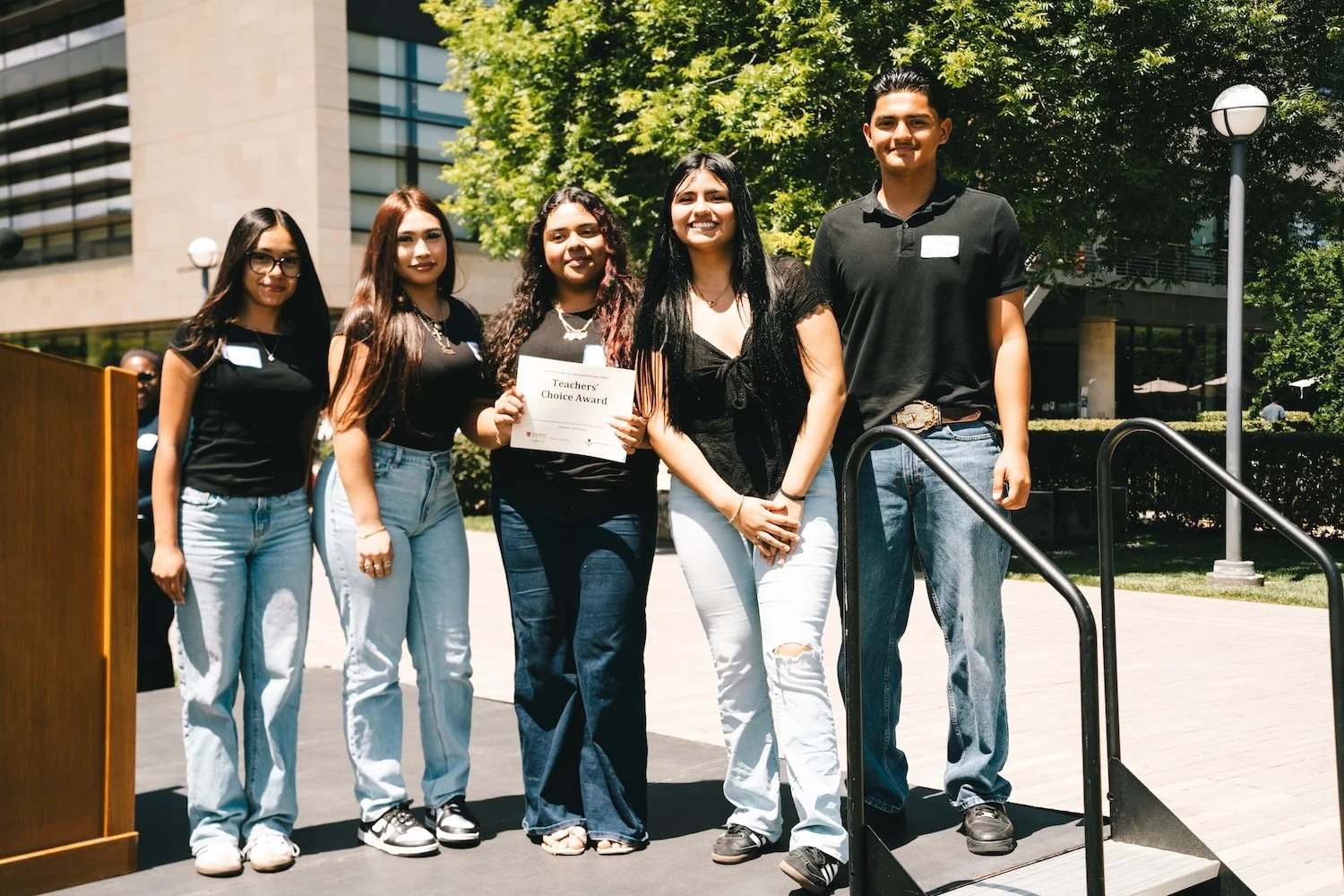
Recovery Device, a project by students from Andrew Hill High School in East San Jose, featured a rehabilitation glove to help restore hand and finger movement after injury, while tracking progress. The project earned the “Teacher’s Choice Award” at the showcase.
Across the showcase, students demonstrated the ability to think critically about clinical workflows, scalability, patient-centered design, and the feasibility of implementation. Initial student feedback indicated that SHIP helped sharpen their technical and durable skills, particularly through exposure to mentorship and the opportunity to design, build, and test prototypes. Additionally, 72% of surveyed students reported that participating in SHIP increased their interest in pursuing a career in healthcare or STEM.
As one student reflected, the process “challenged us to think more deeply about not just the technology, but how it integrates into real clinical workflows,” while another shared that SHIP allowed them to “develop teamwork skills within a professional setting, pushing [them] to grow as students and innovators.”
Building the Future Workforce Pipeline
At its core, SHIP represents a scalable model for employer-driven education, one that aligns K-12 pathways, higher education institutions, healthcare systems, and industry partners around real workforce needs. Healthcare is evolving rapidly, yet many students remain unaware of the breadth of careers available beyond traditional clinical roles. SHIP intentionally exposed students to emerging pathways in biomedical engineering, AI in healthcare, systems design, medical technology management, operational efficiency, and healthcare innovation.
For Stanford Health Care, the initiative reflected a broader commitment to developing long-term regional talent pipelines. Beyond workforce development, SHIP created meaningful mentorship and teaching opportunities for Stanford Health Care biomedical engineering staff, many of whom found the experience personally rewarding and professionally energizing. SHC leadership also noted strong student growth over time, with teams becoming increasingly confident, prepared, and intentional in their engagement with the mentors.
Fred Hizal, Manager of Innovation and Design within SHC Biomedical Engineering, expressed that “SHIP demonstrated what becomes possible when students are trusted with real healthcare challenges instead of simplified classroom exercises. We saw high school students thinking critically about clinical workflows, operational constraints, patient outcomes, and scalability in ways that closely mirror real-world innovation environments. More importantly, this initiative showed that the future healthcare workforce will not be built through theory alone, but through direct exposure, mentorship, and meaningful collaboration between healthcare systems, educators, and industry partners.”
As CEO of the region’s leading business association, Ahmad Thomas (SVLG), also shared: “The next generation of talent is already here, sharp, driven, and technology-native, and it’s clear our future workforce pipeline is in a stronger place than many think.”
Looking Ahead
The inaugural year of SHIP demonstrated what becomes possible when healthcare institutions, educators, and regional partners intentionally collaborate around student opportunity.
Key highlights:
200 students participated– all of whom received a Certificate of Completion from SHC
43 student teams developed and presented solutions
7 Bay Area high schools engaged (Amador Valley HS, Andrew Hill HS, Dublin HS, Foothill HS, Life Academy of Health and Biosciences, Milpitas Middle College, Wallenberg HS)
13 finalist teams identified
8 showcase awards presented, including Best Overall, Most Innovative, Most Feasible, Best Prototype, Best Poster, Teacher’s Choice, Students’ Choice, and Community Choice
125+ hours of mentorship coordinated
But perhaps more importantly, hundreds of students gained something harder to quantify: the confidence to see themselves as future innovators capable of shaping healthcare itself. And judging from the ideas presented at Stanford this spring, the future of healthcare innovation is already well underway.