Inside Children’s Hospital: Where Care, Innovation, and Possibility Come Together for Sequoia High Students
This spring, students from the Health Careers Academy at Sequoia High School stepped into Lucile Packard Children’s Hospital Stanford for an experience that brought home the real impact of a career in healthcare.
The visit built on the strong foundation already established at Sequoia. The Health Careers Academy is designed to expose students early to the breadth of opportunities in healthcare, combining academic preparation with career exploration.
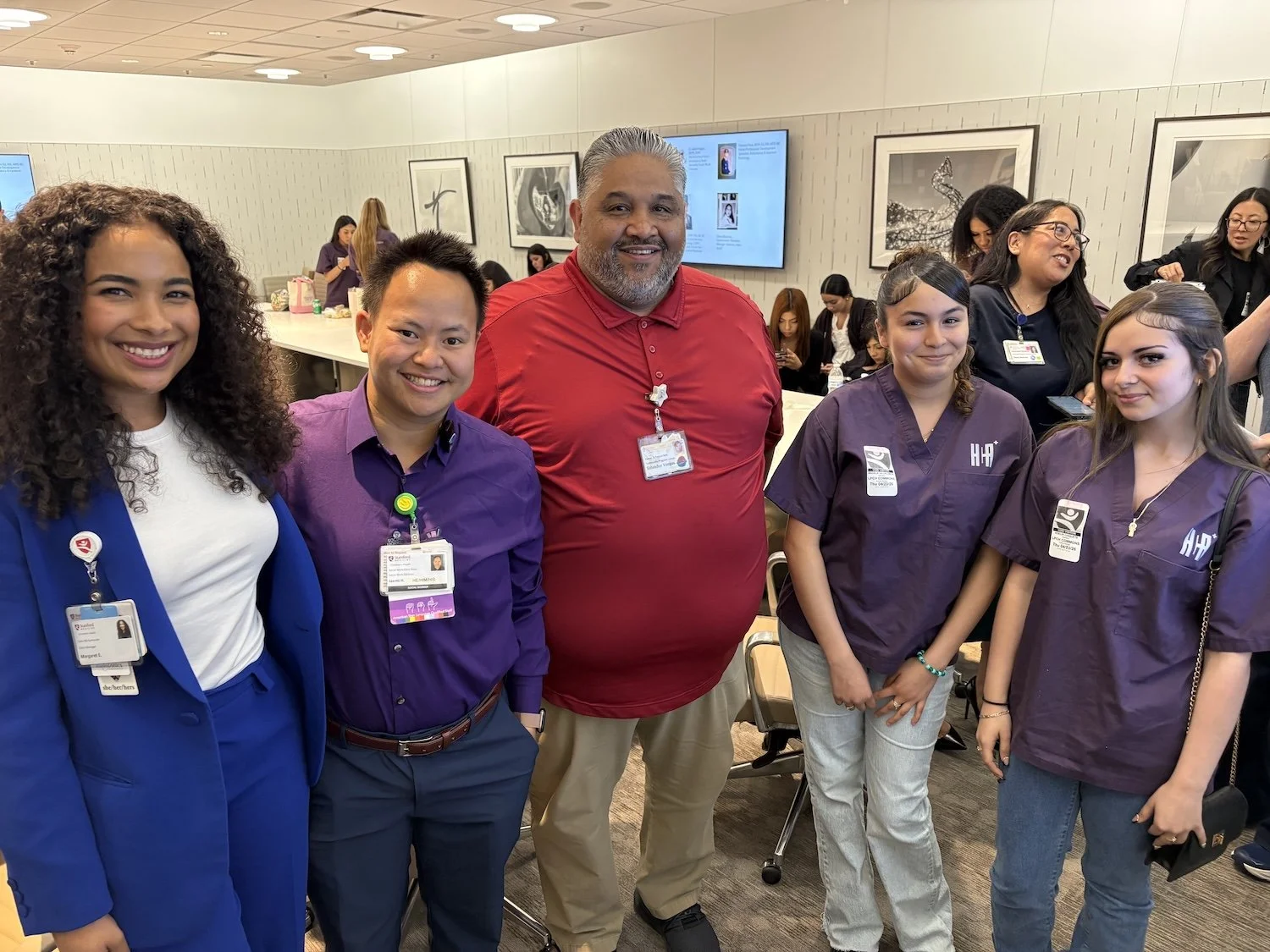
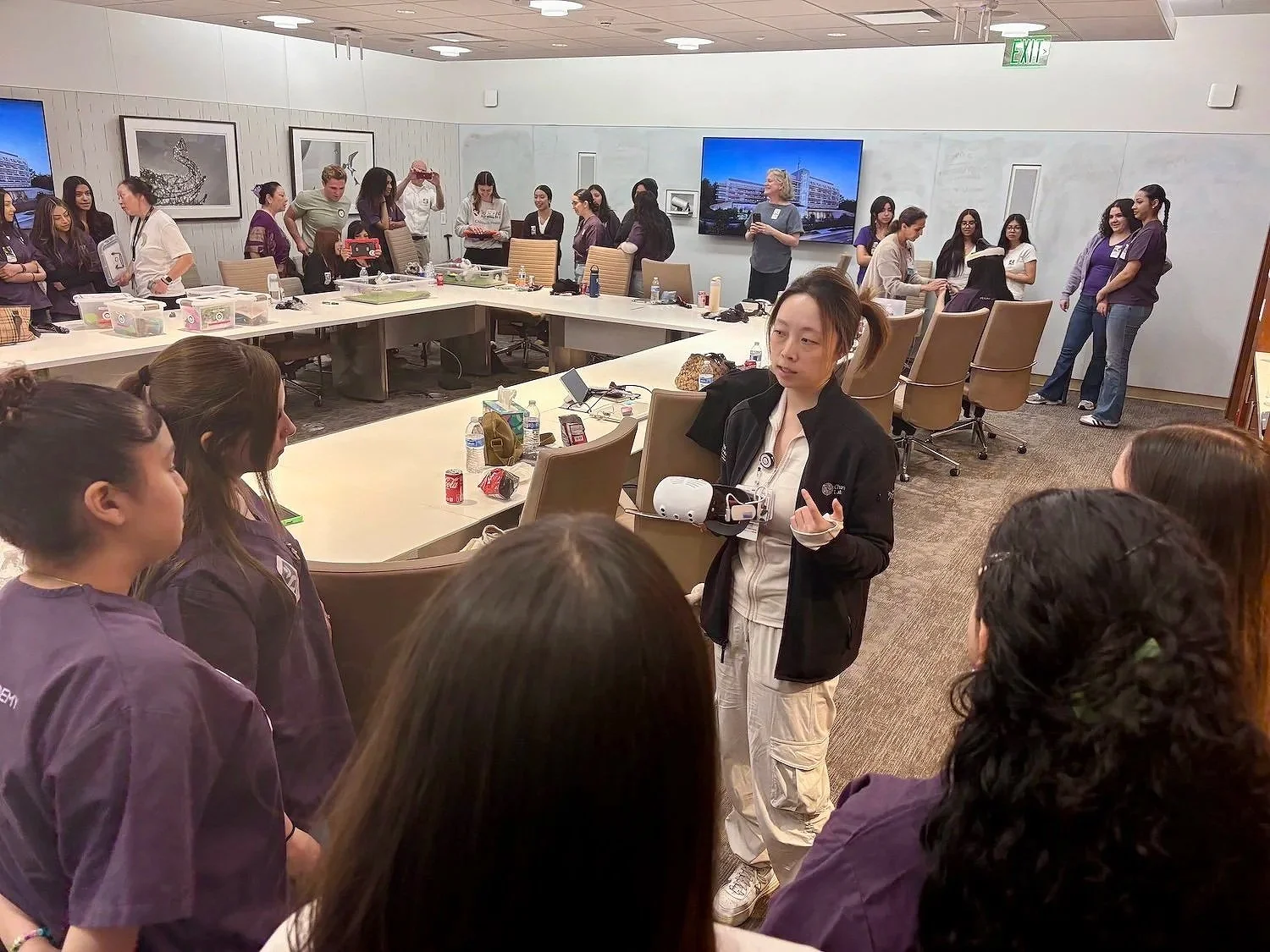
From the moment they arrived at Stanford Children’s, students were immersed in an environment shaped by purpose, compassion, and excellence. Every interaction reflected a deep commitment to patients and families, and to the teams who support them.
“From the moment we met the staff, it was evident that they genuinely loved their roles at Stanford. They were all incredibly supportive, patiently explaining questions and their responsibilities. It was clear that every person and aspect of the hospital served a meaningful purpose. My first impression of the hospital itself was that it was very calming and artistic, which stood out to me because I typically imagine hospitals as more dull. Instead, it was much more colorful and imaginative than I had expected, creating a welcoming and imaginative environment.” – Melissa G.
The visit began with a guided tour that revealed how Stanford Children’s approaches healing as a whole-person experience. Students explored vibrant spaces filled with art, storytelling, and intentional design.
One highlight was the hospital’s TV studio, where patients create and broadcast content throughout the week. In this space, young patients step into the role of creators, producing shows, telling stories, and connecting with others.
Students saw how creativity and care intersect in unexpected ways. The experience expanded their understanding of what healthcare can include.
“I never knew that this existed! The room was so fun, and I love how they accommodate each patient's needs. It's so beautiful and amazing that Stanford takes the time to make sure their patients experience a sense of magic during their stay, especially for those experiencing some of the most difficult times of their lives.” – Estrella R.
Students then participated in an interactive session focused on the Chariot program, a Stanford Children’s initiative designed to reduce childhood anxiety through innovation and technology.
Led by pioneering pediatric anesthesiologist Dr. Samuel Rodriguez, the session explored how tools such as virtual reality, robotics, and interactive play are used to support young patients before and during procedures. These approaches help patients feel more comfortable and engaged in their care.
“It was truly moving to learn how the Chariot program brings technology and patient care together to provide comfort and compassion for young patients. It speaks volumes about the dedication that Stanford Lucile Packard Children’s Hospital has to its patients, and it is inspiring to see how the program has since expanded to hospitals across the country to support and enhance healthcare delivery for patients of all ages. Furthermore, it opened students’ eyes to a range of potential careers, such as technology and engineering, that directly support patients without providing direct patient care.” – Mrs. Rocha
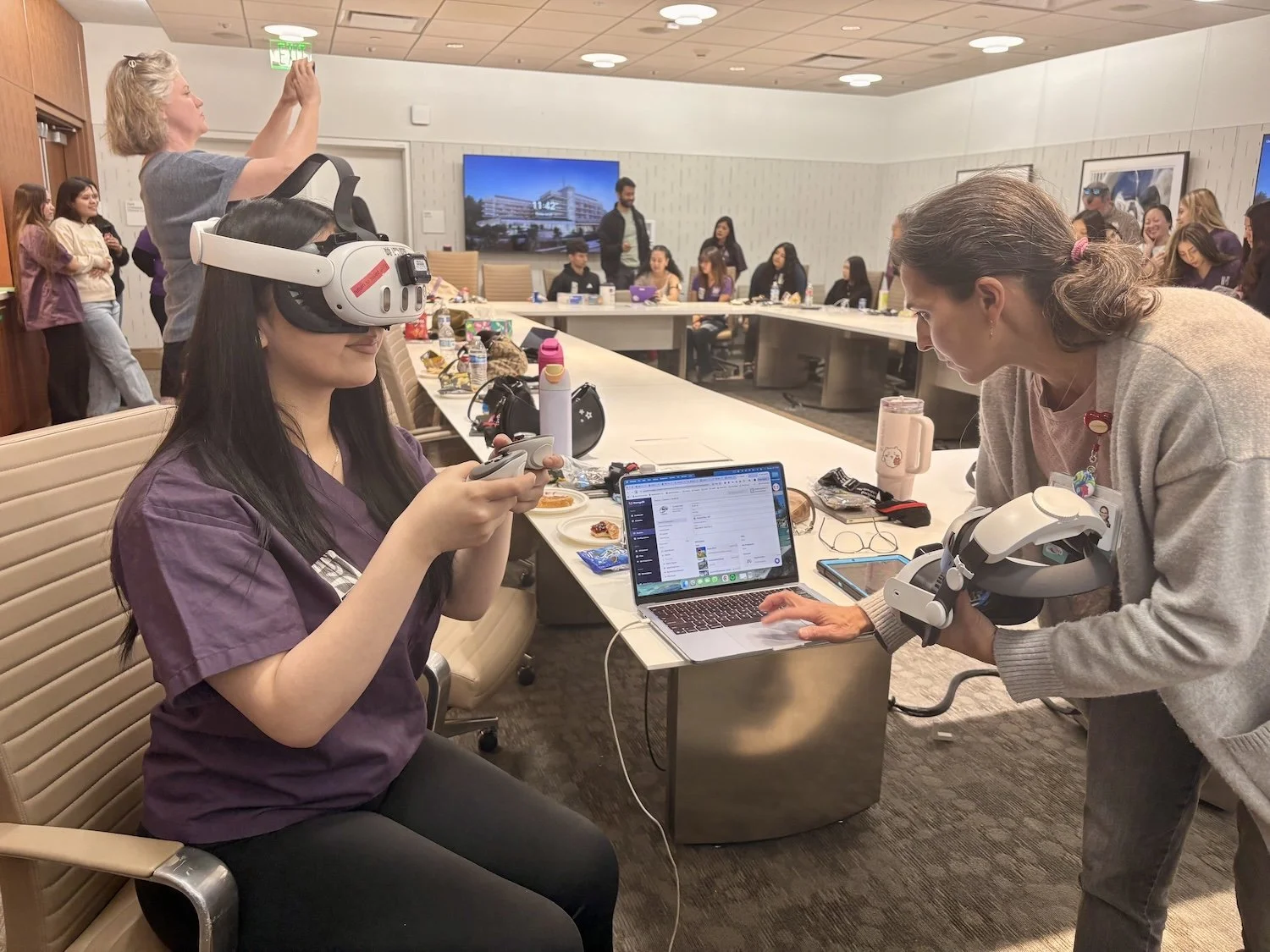
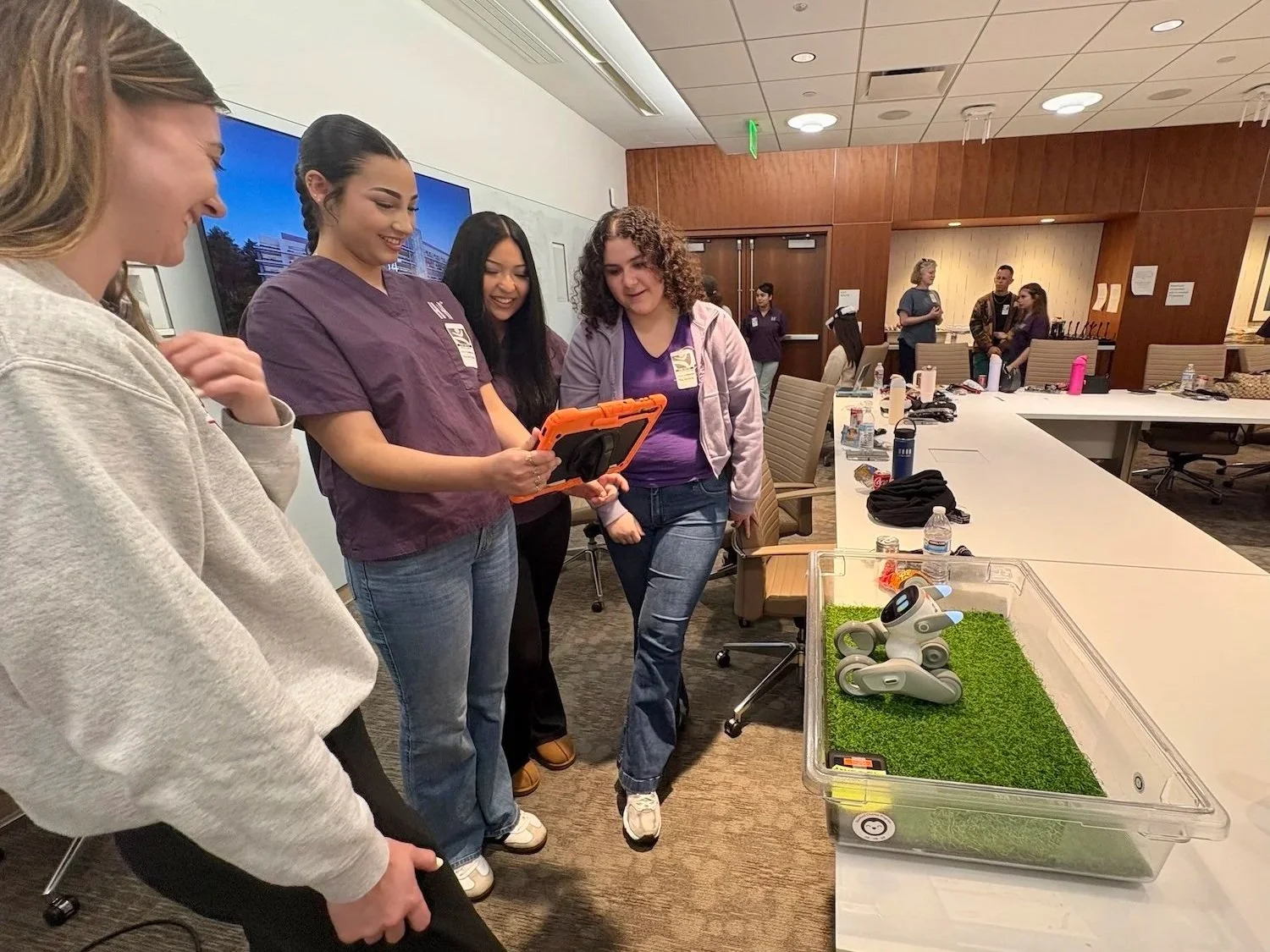
Following the presentation, students rotated through six hands-on stations, spending extended time with Stanford’s Chariot professionals and their technologies. Activities included working with robots, exploring virtual reality tools, and gaining a deeper understanding of how different roles contribute to patient care.
Each station offered a new perspective on how healthcare teams collaborate and innovate.
“I enjoyed actively participating in the Chariot Program and learning about the effort that goes into making children comfortable in what can be a scary environment. The interactive stations, especially the VR glasses, vibrating arm brace, and robot pet, made the experience both fun and informative.”– Emily G.
Building Connections Through Conversation
Over lunch, students had the opportunity to network in small groups with several Stanford professionals representing a wide range of departments and specialities - including Diana Bautista, Government Relations Manager; Mitchell Cohen, MD, Chief Medical Officer; Margaret Ebinger, Manager of Ambulatory Operations; K. Jami Hagen, Ambulatory Multi-Specialty Social Work Clinician; Linda Khiev-Louie, Clinical Nurse; Christie Ochoa, Assistant Director of Community Affairs, Stanford Health Care; Salvador Vargas, Community Relations Program Manager; Vincent Peña, Nurse Professional Development Specialist; and Kimberly Williams, Director of Patient Care Services. These conversations created space for students to ask questions, share interests, and begin building relationships with professionals across a wide range of roles.
“It was nice to connect during lunch. It was impactful to hear about their journeys and experiences. I especially connected with Ms. Kim Jones’ story as she shared the hardships she faced and how she overcame them.” – Aida A.
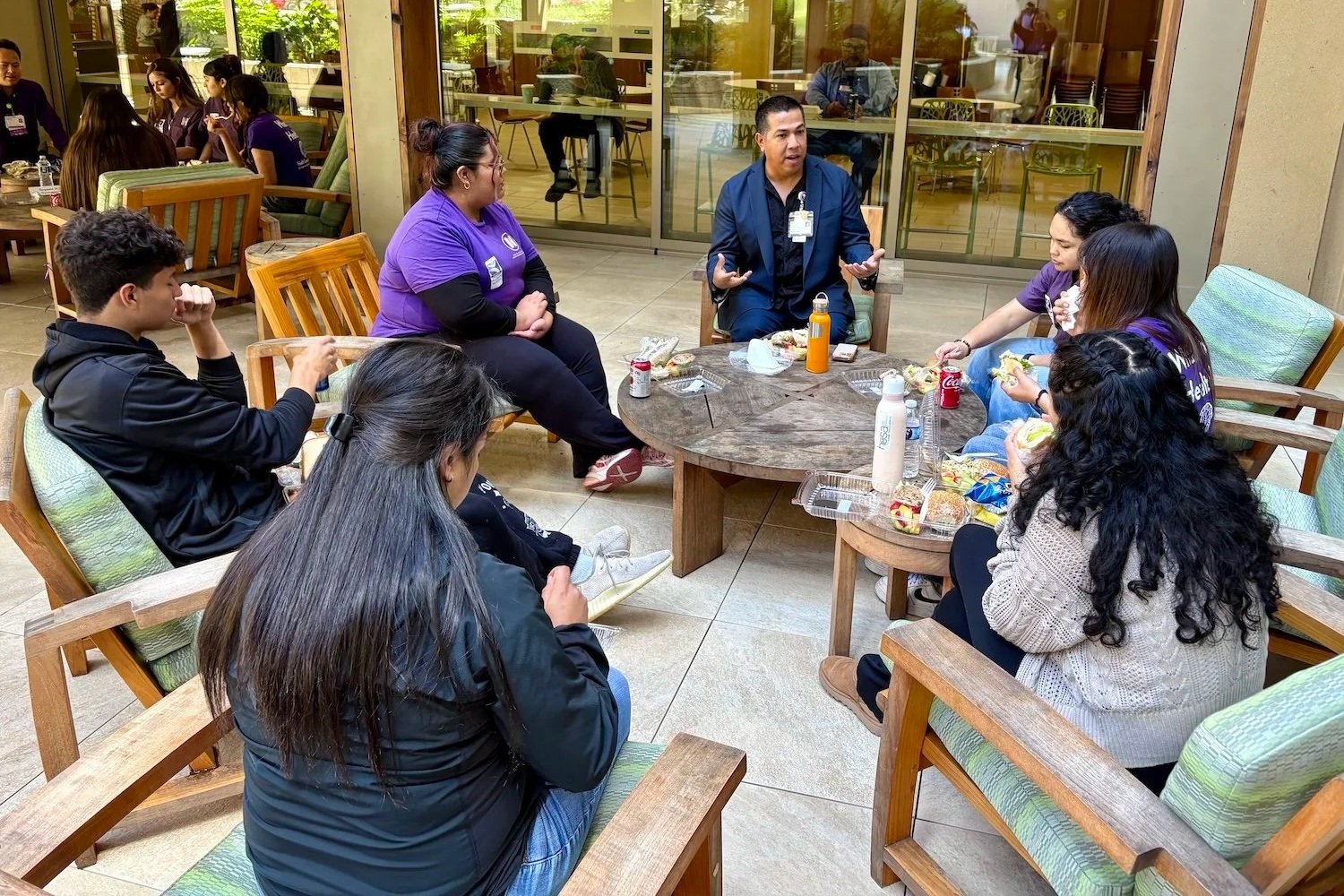
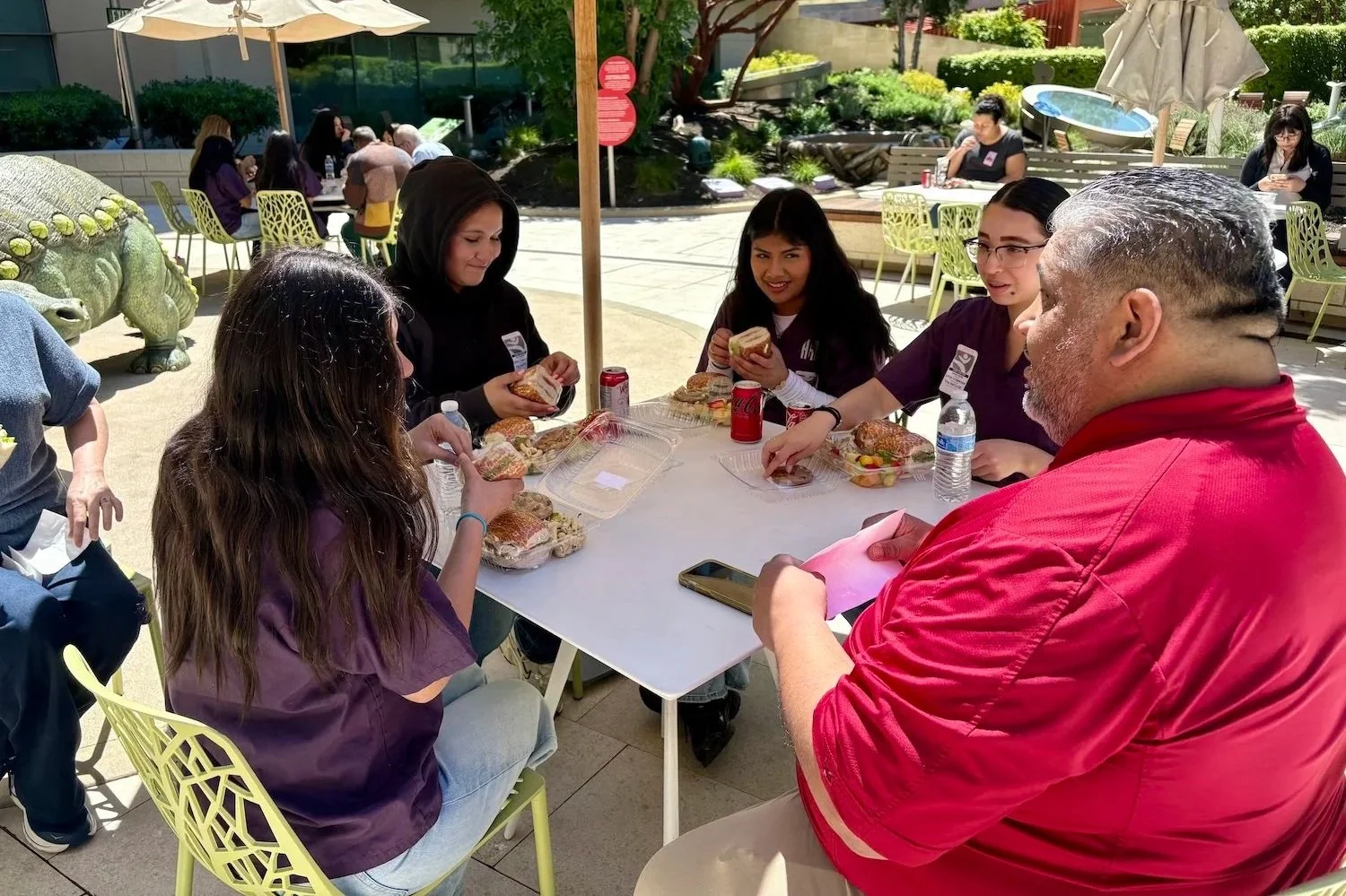
“It was such a fun opportunity to give back to my community! Thank you for giving me the chance to do this,” said Linda Khiev-Louie, Clinical Nurse, and Sequoia High School graduate.
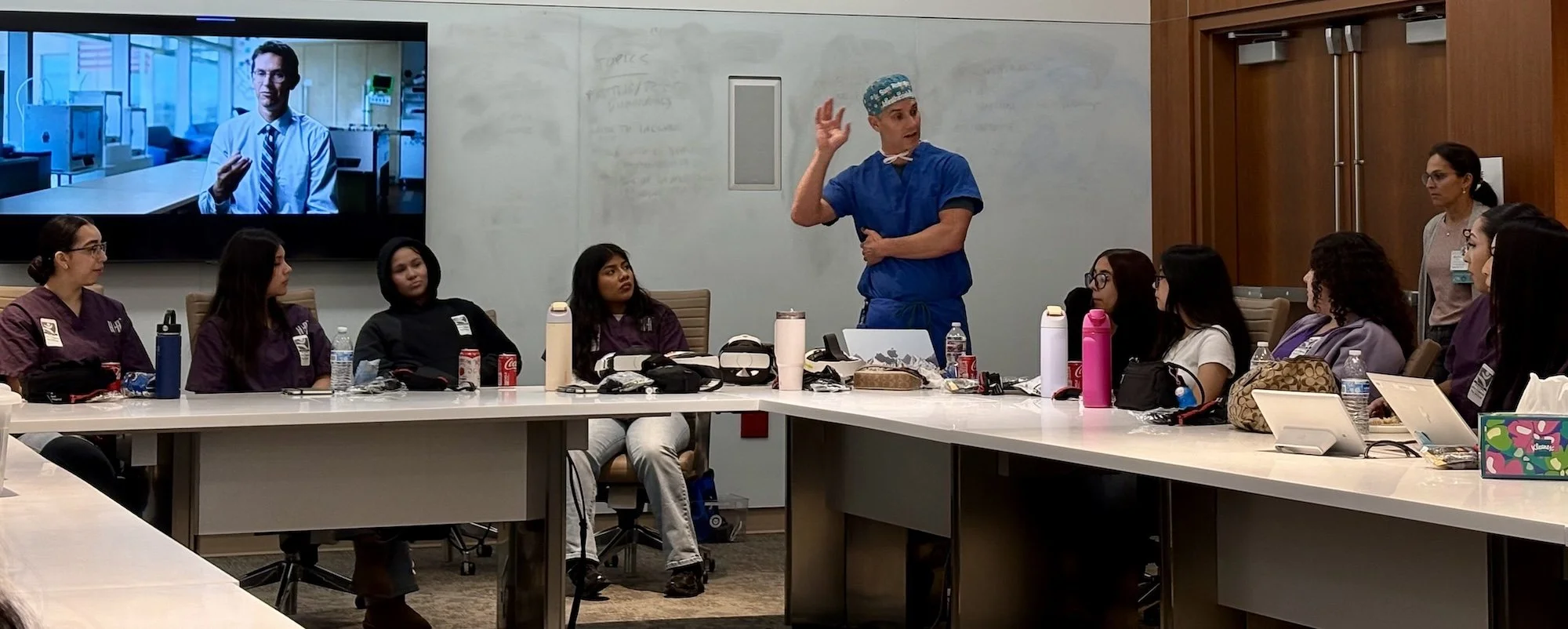
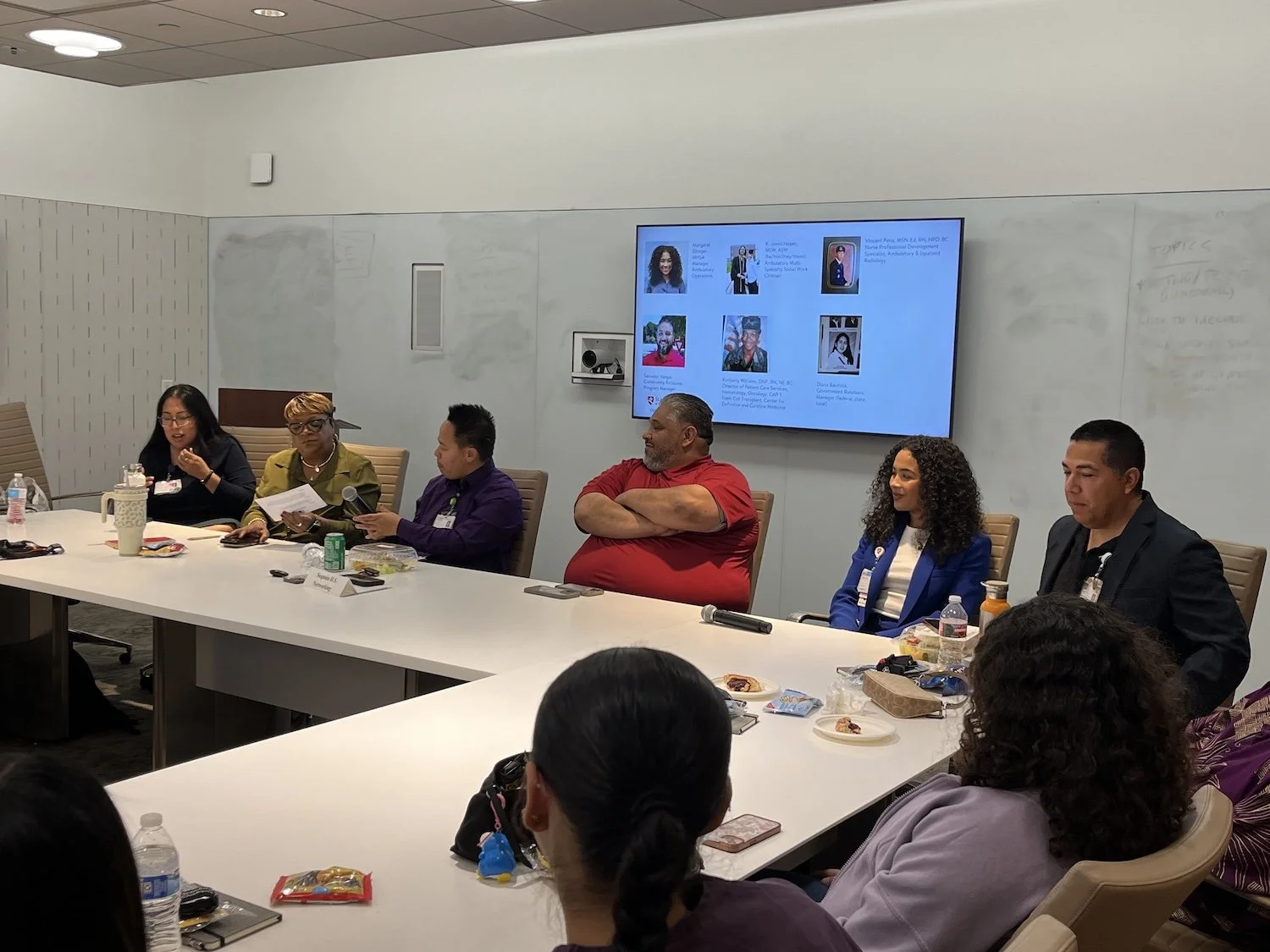
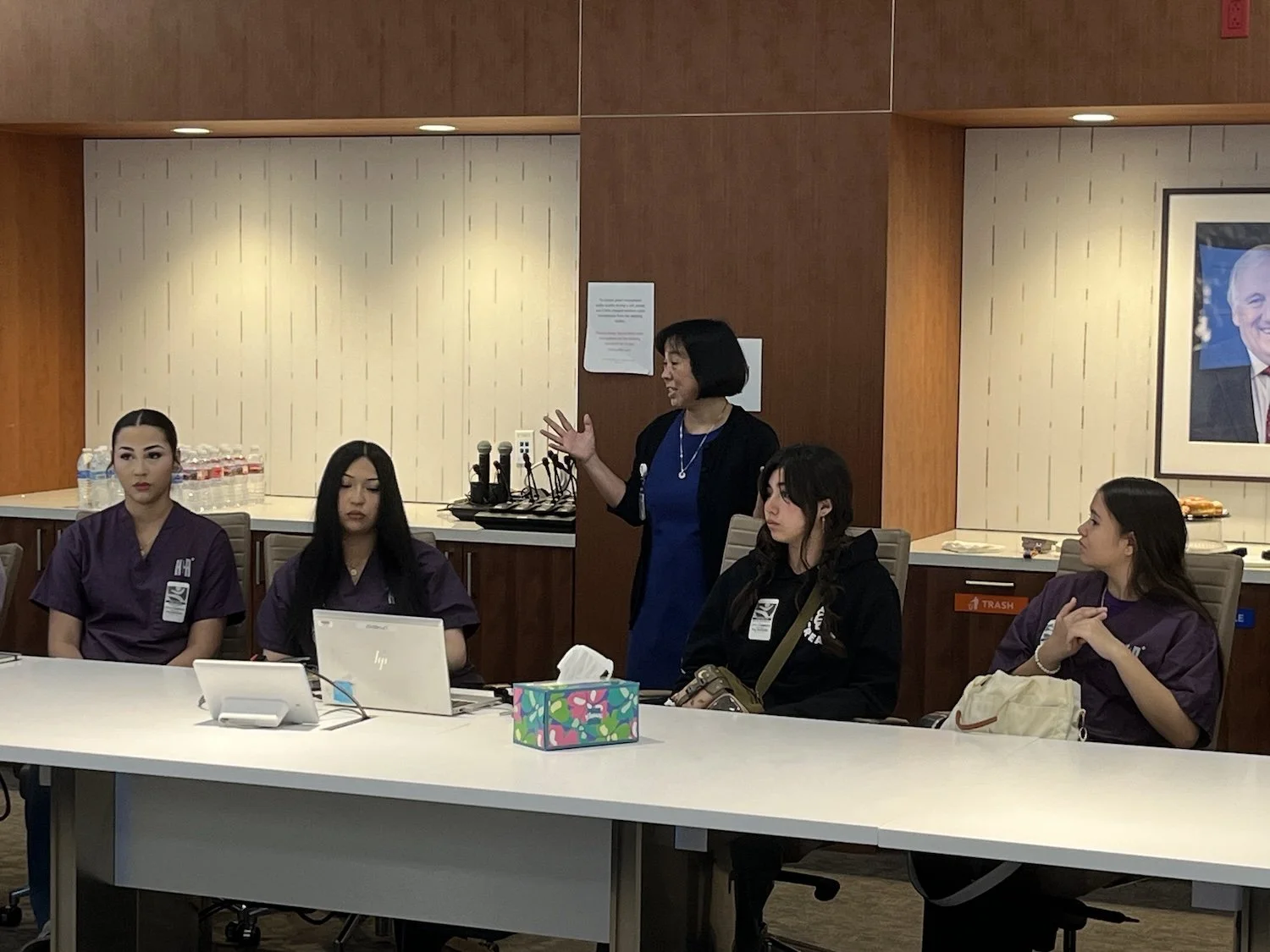
Building on those one-on-one conversations, students gathered for a panel discussion featuring many of the professionals they had just met. Speakers shared their career journeys, the skills they rely on every day, and the impact of their work. They spoke about mentorship, continuous learning, and the importance of staying open to new opportunities. They also reflected on the challenges and rewards of working in healthcare, including supporting patients and families through some of the most important moments of their lives.
Students continued the dialogue by asking thoughtful questions about career pathways, what kept them going during difficult moments, and what they find most meaningful in their work.
“I really enjoyed being able to connect with the panel through their personal journey. A quote that stood out to me was ‘Life is not a sprint it's a marathon, take life one step at a time’ - Salvador Vargas. This quote will stick with me and help guide my journey” – Connor D.
“I wanted to ensure that students recognized that Stanford is a place for them,” said Salvador Vargas, Community Relations Program Manager. “I hope they saw their future selves reflected in the panel.”
A Model for Meaningful Work-Based Learning
Throughout the day, the Stanford employees, teachers and students actively connected the hands-on activities, conversations, and panel insights into a broader understanding of the healthcare field, seeing how roles across clinical care, technology, and operations intersect to support patients.
This kind of exposure is especially powerful when it builds on structured programs like Sequoia’s Health Careers Academy. Career Technical Education pathways like this consistently show stronger student engagement, clearer postsecondary direction, and higher rates of persistence when paired with real-world experiences. When classroom learning is connected to environments like Stanford Children’s, students gain both the technical understanding and the social capital needed to navigate these fields.
“After this field trip, I felt inspired by the individuals who participated in this event. After listening to the panelists, I gained insight into their professions and made sure to ask questions that could help guide my future. They encouraged me to keep going and not give up, which was very motivating. I now feel even more inspired and excited to pursue my goal of becoming a pediatric nurse. Speaking with different healthcare professionals confirmed that this is the path I want to follow, and I am grateful for the opportunity that helped reinforce that decision.”– Ariana R.
This experience reflects the strength of partnership between Stanford Children’s Health, San Mateo County Office of Education, and the Bay Area K-16 Collaborative.
It also reflects the thoughtful leadership of Susan Ryan, whose vision for career technical education in San Mateo County centers on access, quality, and intentional design. Creating experiences like this—structured, immersive, and connected to real professionals—ensures that more students can see themselves in these careers early on.
Through the Bay Area K-16 Collaborative, partners are working to align K-12, community college, university, and employer systems so that experiences like this are not one-time opportunities, but part of a broader, connected pathway from education to career.
“Being able to go to Stanford Children's Hospital has really inspired me to continue pursuing becoming an anesthesiologist and being able to help others during their stay at the hospital. Seeing how the hospital works and how they make patients stay brighter and more interactive has been really cool to experience, especially being able to see how technology is being used to make it easier for the kids. Being on this field trip has really made a positive difference in how people view pursuing a career in the medical field.” – Nathania C.